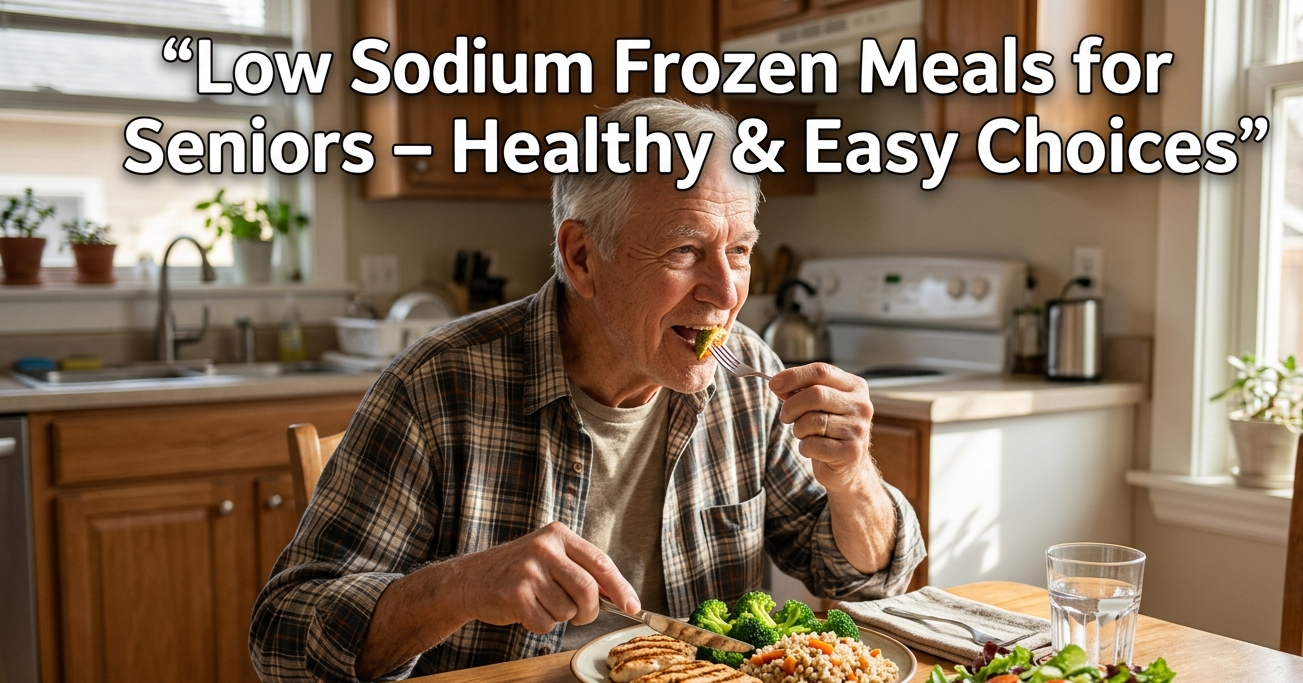
Friends, let me be honest—finding food that is both healthy and enjoyable for seniors is not as easy as it sounds. Most frozen meals are convenient, but they often come packed with sodium. And for older adults, that’s something we simply can’t ignore.
That’s why low sodium frozen meals for seniors have become such a practical solution in the U.S. They save time, reduce cooking stress, and—if chosen wisely—support long-term health.
In this guide, I’ll walk you through not just the basics, but also real-life insights, trusted brands, and small practical tips that actually make a difference.
What Are Low Sodium Frozen Meals?
In simple terms, these are ready-to-eat meals designed with controlled sodium levels. Unlike regular frozen dinners that can easily cross 700–1000 mg of sodium, these meals are built to stay within a healthier range.
They are especially useful for:
- Seniors managing blood pressure
- People with heart conditions
- Caregivers looking for easy meal solutions
And honestly, they’re not just about convenience—they’re about making everyday eating safer and smarter.
A Real-Life Story (Why This Actually Matters)
Let me share something personal.
My uncle, who lives in the U.S., struggled with high blood pressure for years. Like many seniors, he relied heavily on frozen meals because cooking daily wasn’t practical for him. But the problem was—most of those meals were high in sodium.
After a routine check-up, his doctor advised him to switch to low sodium frozen meals for seniors and reduce his daily intake.
At first, he complained about the taste. “It feels bland,” he said.
But within a few weeks:
- His blood pressure readings improved
- He felt less bloated
- His energy levels became more stable
The turning point? He started choosing better brands and pairing meals with fresh sides like salads or steamed vegetables.
That’s when I realized—it’s not just about eating less salt, it’s about making smarter combinations.
See also: Chef’s Secret Gluten-Free Pasta Recipes
Ideal Sodium Levels: What Should You Look For?
Here’s a simple table to make your choices easier:
| Category | Sodium Per Meal | Recommended for Seniors |
|---|---|---|
| High Sodium | 600 mg or more | Avoid |
| Moderate Sodium | 300–600 mg | Limit use |
| Low Sodium | 140–300 mg | Best choice |
A good rule of thumb: Always aim for meals under 300 mg of sodium per serving.
Trusted Low Sodium Frozen Meal Brands in the USA
Now let’s get practical. One thing I’ve noticed is that generic advice doesn’t help much. You need real options.
Here are some brands that are often recommended and researched for low sodium choices:
1. Magic Kitchen
- Offers senior-friendly meals
- Focus on low sodium and balanced nutrition
- Good variety including vegetarian options
2. Healthy Choice
- Widely available in U.S. grocery stores
- Some meals specifically designed to be lower in sodium
- Affordable and easy to find
3. Amy’s Kitchen
- Organic and clean ingredient focus
- Many vegetarian, low sodium options
- Less processed compared to typical frozen meals
4. Mom’s Meals
- Designed for seniors and medical dietary needs
- Often used in healthcare programs
- Customizable meal plans
Now, one honest tip—don’t trust a brand blindly. Even within the same brand, sodium levels can vary a lot. Always check the label.
Best Types of Low Sodium Frozen Meals
If you’re unsure what to pick, these categories are usually safe and effective:
Vegetable-Based Meals
- High in fiber
- Easy to digest
- Naturally lower in sodium
Lean Protein Meals
- Helps maintain muscle strength
- Look for grilled chicken, fish, or plant-based proteins
Low Sodium Soups
- Light and comforting
- Great for dinner or smaller appetites
Whole Grain Meals
- Provide steady energy
- Support heart health
What to Check Before Buying
This is where most people make mistakes. The front label can be misleading.
Before buying any low sodium frozen meals for seniors, check:
- Sodium: Keep it under 300 mg
- Ingredients: Simple and recognizable
- Protein: At least 10 grams
- Fiber: 3 grams or more
- Hidden sodium in sauces or dressings
Once you start checking labels regularly, you’ll notice how big the differences are.
Common Mistakes to Avoid
Let me point out a few things that people often overlook:
- Assuming “low-fat” means low sodium
- Adding extra salt after heating the meal
- Eating frozen meals every single day
- Ignoring portion sizes
- Choosing taste over long-term health
Balance is everything. Frozen meals should support your diet, not replace it completely.
Using Real Images (A Smart SEO Move)
If you’re publishing this article on a blog or Pinterest, here’s a tip most beginners miss:
Instead of using random stock images, try adding:
- Your own created food images
- Before/after meal presentation
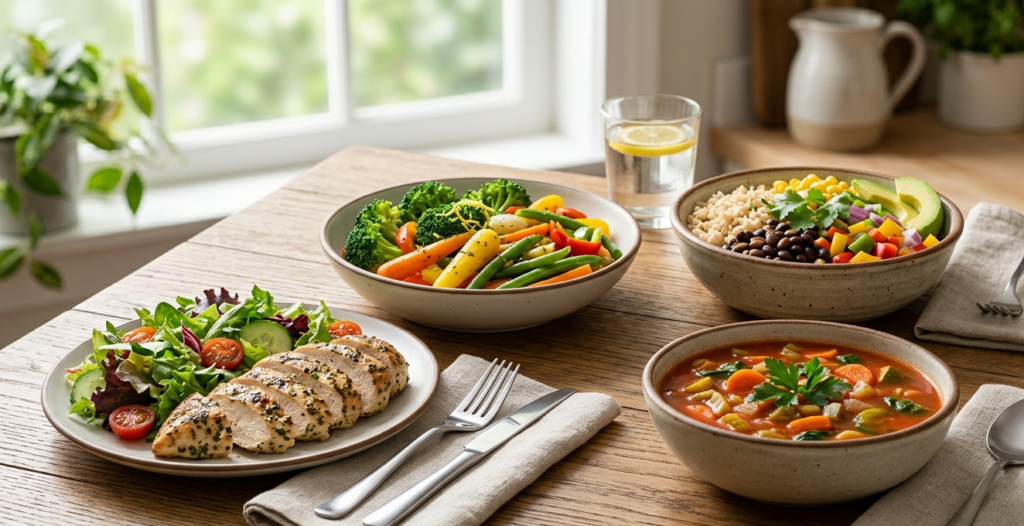
- Simple plated frozen meal with fresh sides
This builds trust and improves engagement. Google also values original content, and real visuals help a lot with that.
Blogger’s Personal Advice
Let me keep this simple and practical.
Frozen meals are helpful, but don’t depend on them 100%.
A better approach:
- Use low sodium frozen meals on busy days
- Include fresh, home-cooked meals whenever possible
Here’s one small trick that works really well:
Always add something fresh to your frozen meal—like a salad, fruit, or steamed vegetables.
It improves:
- Taste
- Nutrition
- Overall satisfaction
And most importantly, seniors are more likely to eat consistently when the food actually feels enjoyable.
Final Thoughts
Low sodium frozen meals for seniors are not just a trend—they’re a smart solution for modern lifestyles, especially in the U.S. But the key is making informed choices.
Remember:
- Keep sodium levels low
- Choose trusted brands, but verify labels
- Balance frozen meals with fresh food
If you follow these simple steps, you’re not just saving time you’re actively supporting better health for yourself or your loved ones.

Hello there! Welcome to AirCrispyBites.com My Name is Akash Patel , and I am a seasond chef and content writer with over 5 years of industry experience . On this website, Iwrite content about recipes of various cuisines!